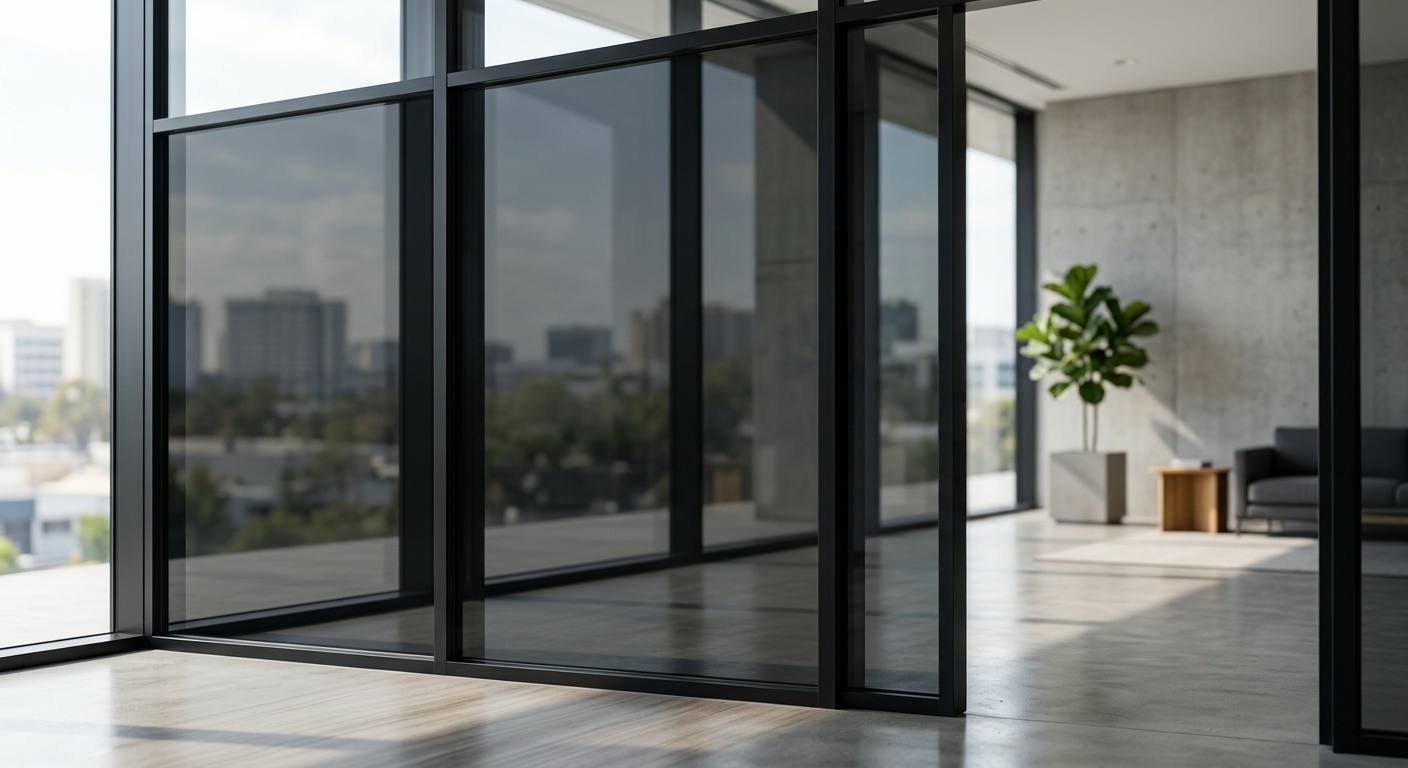
Window Films and Exterior Shading That Actually Lower Temperatures
Window Films and Exterior Shading That Actually Lower Temperatures
Reading time: 14 minutes
It’s July 2026, and your air conditioner is running on full blast — again. Your energy bill is climbing, your rooms feel like greenhouses by midafternoon, and you’re starting to wonder whether there’s a smarter solution than simply cranking the thermostat lower. Sound familiar?
Here’s the straight talk: most of us are fighting heat from the wrong direction. We’re cooling air that’s already been warmed by the one thing we can’t move — our windows and walls. The real battle against indoor heat happens before that solar energy ever crosses the threshold of your glass.
Window films and exterior shading systems aren’t just accessories. They’re precision tools that intercept solar heat gain at the source, and when chosen and installed correctly, they can reduce indoor temperatures by a measurable, significant margin — without sacrificing natural light, aesthetics, or your view.
This guide breaks down exactly how these technologies work, which ones genuinely deliver results, and how you can make smart decisions for your home or commercial space in 2026’s climate-stressed environment.
Table of Contents
- The Science Behind Solar Heat Gain
- Window Films: Types, Performance, and Real-World Results
- Exterior Shading Systems That Deliver
- Head-to-Head: Comparing Your Options
- Case Studies: What the Numbers Actually Look Like
- Common Challenges and How to Overcome Them
- Frequently Asked Questions
- Your Cool-Home Roadmap: Next Steps
The Science Behind Solar Heat Gain
Before diving into products and specs, it helps to understand why windows are such a problem in the first place. Glass is a notoriously poor insulator, and standard single or double-pane windows transmit a significant portion of the solar energy that strikes them directly into your living space.
The key metric here is the Solar Heat Gain Coefficient (SHGC) — a number between 0 and 1 that represents the fraction of solar radiation admitted through a window. The lower the SHGC, the less heat enters your space. A standard clear double-pane window typically carries an SHGC of around 0.70, meaning 70% of the solar energy that hits it flows right into your room.
According to the U.S. Department of Energy’s 2025 Building Energy Efficiency Report, solar heat gain through windows accounts for approximately 25–30% of residential cooling energy use. In commercial buildings, that figure can climb even higher — particularly in glass-heavy modern architecture. With global average temperatures in 2026 running 1.4°C above pre-industrial baselines, the financial and comfort stakes of addressing this problem have never been higher.
The physics works like this: shortwave solar radiation passes through glass with relative ease. Once it strikes interior surfaces — walls, floors, furniture — it converts into longwave infrared heat, which glass doesn’t transmit back out as efficiently. You’ve essentially built a small greenhouse. The goal of both window films and exterior shading is to interrupt this chain before it starts.
Why Exterior Intervention Beats Interior Solutions
This is a crucial distinction that many homeowners miss. Interior solutions like curtains, blinds, or internal roller shades can reduce glare and visible light, but they do relatively little to prevent heat gain because the solar energy has already entered the room. Once radiation crosses the glass plane, the heat is essentially inside — the blind just redistributes it slightly.
Exterior interventions — whether physical shading structures or solar control window films — address the problem at the source. A well-designed exterior overhang or a high-performance solar film can reject solar energy before or as it hits the glass, reducing what’s called the “cooling load” on your HVAC system substantially.
Window Films: Types, Performance, and Real-World Results
Window film technology has advanced dramatically over the past decade. The films available in 2026 bear little resemblance to the reflective mirror-style coatings of the early 2000s. Modern solar control films are engineered at the nano level, offering remarkable performance without turning your home into a metallic box.
The Four Main Categories of Solar Control Films
1. Dyed Films
The most basic and affordable option, dyed films use a layer of colored polyester to absorb solar energy. They reduce glare and visible light transmission effectively, but their solar heat rejection rates are modest — typically in the 25–40% range. They also tend to fade over time as the dye degrades under UV exposure. Best suited for lower-budget projects or interior spaces where appearance is the primary concern.
2. Metalized Films
Metalized films embed tiny metallic particles into the film substrate to reflect solar energy. They perform significantly better than dyed films, with solar heat rejection rates of 40–60%. The downside: they can interfere with mobile signals and GPS, and their reflective exterior appearance isn’t always desirable for residential use. In commercial buildings in 2026, their use has declined as ceramic alternatives have improved.
3. Ceramic Films
The current industry benchmark for most residential and commercial applications. Ceramic films use non-metallic nano-ceramic particles to block infrared heat while maintaining high visible light transmission. Premium ceramic films — products like 3M’s Prestige series or Huper Optik’s Ceramic line — achieve solar heat rejection rates of 60–80%, SHGC values as low as 0.20, and they preserve clear, natural views. They don’t interfere with electronics, and they block up to 99.9% of UV radiation.
4. Spectrally Selective Films
The most sophisticated option available in 2026. Spectrally selective films are engineered to selectively block the near-infrared portion of the solar spectrum (which carries about half the heat) while transmitting the visible light spectrum. This means you get maximum daylight with minimal heat — a combination that was technically difficult to achieve even five years ago. Solar heat rejection can reach 80–90% in top-tier products, making them particularly valuable in high-solar-load environments like south-facing offices or sunrooms.
What Temperature Reduction Actually Looks Like
Let’s get specific. A 2024 field study published in the Journal of Building Engineering monitored rooms in Phoenix, Arizona, with and without high-performance ceramic window film installed. The results were striking: rooms with ceramic film (SHGC 0.22) maintained average afternoon peak temperatures 6–8°F (3.3–4.4°C) lower than identically oriented unfilmed rooms. Air conditioning runtime dropped by an average of 22%.
In 2025, the International Window Film Association (IWFA) published updated performance data showing that commercial buildings in climate zones 2–4 (broadly, the Sun Belt and Mid-Atlantic regions of the U.S.) could expect cooling energy savings of $0.50–$1.10 per square foot of treated glass per year, with most installations paying back their costs within 2–5 years.
Exterior Shading Systems That Deliver
If window films work by filtering solar energy at the glass, exterior shading systems work by preventing that energy from reaching the glass in the first place. When properly designed and positioned, they can be even more effective — and they offer additional benefits like rain protection, architectural interest, and outdoor living space.
Fixed Architectural Overhangs
The oldest solar control strategy in the book — and still one of the most effective. A well-designed overhang on a south-facing window (in the Northern Hemisphere) can block direct summer sun when the solar angle is high, while allowing lower winter sun to penetrate and provide passive heating. The critical variable is the projection-to-height ratio: for most mid-latitude U.S. locations, an overhang depth equal to about 45–60% of the window height provides near-perfect seasonal solar control.
The challenge with fixed overhangs is that they’re permanent and require careful calculation. An overhang that’s too shallow won’t adequately block summer sun; one that’s too deep will cut off winter light and make interiors gloomy. Tools like the NOAA Solar Calculator or software like EnergyPlus allow architects and homeowners to model overhang performance precisely for their specific latitude and orientation.
Exterior Roller Shades and Solar Screens
Exterior roller shades — fabric or mesh screens that deploy on the outside of windows — have seen a significant surge in popularity in 2026. Unlike interior shades, they block solar radiation before it enters the glass, which is where the thermal benefit is greatest. High-quality exterior solar screens using fiberglass mesh with 3–10% openness factors can reject 70–90% of solar heat while still maintaining outward views and significant daylight transmission.
Motorized exterior roller systems from manufacturers like Somfy, Lutron, and Markilux have become increasingly sophisticated. Many now integrate with smart home systems, automatically deploying when solar sensors detect high irradiance and retracting when it’s cloudy or when wind loads exceed safe operating limits. In 2026, these systems are frequently paired with home energy management platforms that factor in weather forecasts, time-of-use electricity pricing, and occupancy schedules to maximize both comfort and energy savings.
Pergolas, Louvered Roofs, and Vegetative Shading
For exterior spaces and rooms with large glazed doors or windows facing outdoor areas, pergolas and louvered roof systems provide both functional shading and aesthetic value. Modern adjustable louvered roofs — products like those from Sunair or Azenco — feature motorized aluminum slats that can rotate to control sun angles precisely throughout the day. A louvered roof set at 45° can reduce solar gain on a west-facing glass wall by over 60% during peak afternoon hours.
Vegetative shading — using deciduous trees or climbing plants strategically positioned to shade windows — is enjoying a revival in 2026’s sustainability-conscious design culture. A mature deciduous tree on the west or southwest side of a building can reduce peak cooling loads by 5–15%, according to research from the University of California’s Urban Greening Lab published in 2025. The bonus: trees provide evaporative cooling that further reduces ambient temperatures around the building.
Head-to-Head: Comparing Your Options
To help you navigate the decision, here’s a comparative breakdown of the major solutions across the metrics that matter most:
| Solution | Solar Heat Rejection | Avg. Install Cost (per sq ft) | Payback Period | Reversibility |
|---|---|---|---|---|
| Ceramic Window Film | 60–80% | $6–$14 | 2–4 years | Removable |
| Spectrally Selective Film | 80–90% | $12–$22 | 3–5 years | Removable |
| Exterior Solar Screen | 70–90% | $18–$35 | 4–7 years | Retractable |
| Fixed Architectural Overhang | 50–75% (seasonal) | $30–$80+ | 5–10 years | Permanent |
| Motorized Louvered Roof | 60–85% (adjustable) | $80–$200+ | 8–15 years | Permanent |
Solar Heat Rejection Performance Visualization
Solar Heat Rejection by Solution Type (%)
85%
80%
73%
70%
63%
Case Studies: What the Numbers Actually Look Like
Case Study 1: A Phoenix Homeowner Cuts Cooling Costs by 31%
Maria, a Phoenix homeowner with a 2,400 sq ft west-facing living room and kitchen area, was spending an average of $340/month on cooling during the summer of 2025. Her three large west-facing windows — totaling roughly 80 sq ft of glass — were standard low-e double-pane units with an SHGC of 0.45, installed when the home was built in 2009.
In April 2026, she had spectrally selective window film (SHGC 0.19) professionally installed on all three windows. The total cost was $1,560 including labor. By June 2026, her average afternoon peak temperatures in the living area had dropped from 82°F to 76°F with the same thermostat setting. Her monthly cooling bill fell to approximately $235 — a saving of $105/month and a 31% reduction in cooling cost. At that rate, the installation will pay for itself in about 15 months.
“I was skeptical that a film could make that much difference,” Maria noted. “But the afternoon difference is immediately noticeable. The couch that used to be unbearably warm at 4 PM is just… comfortable now.”
Case Study 2: A Commercial Office Building in Austin Combines Both Approaches
A four-story mixed-use office building in Austin, Texas — built in 2017 with extensive south and west glazing — underwent a solar retrofit in early 2026. The building management team faced a dual challenge: rising energy costs driven by Texas grid volatility and increasing tenant complaints about thermal discomfort near windows, which were deterring lease renewals.
The retrofit combined two approaches: ceramic window film on all south and west exterior windows, and motorized exterior roller screens installed above the most critically exposed west-facing conference rooms. The total project cost was $148,000. Post-installation monitoring through June 2026 showed a 28% reduction in peak cooling demand, which translated to reduced demand charges on the utility bill. The building’s EUI (Energy Use Intensity) dropped from 71 to 54 kBtu/sq ft/year, putting it in the top quartile for its building type in the Austin energy benchmarking database.
Beyond the energy numbers, tenant satisfaction surveys showed a 40-point improvement in comfort ratings for the west-facing spaces — a finding that the building manager credits with retaining two major tenants whose leases had been at risk.
Common Challenges and How to Overcome Them
Challenge 1: Film Application on Existing Low-E Glass
One of the most common concerns among homeowners in 2026 is whether window film can be safely applied to existing low-e coated glass — which is now standard in most homes built after 2005. The concern is legitimate: some film-and-glass combinations can cause excessive heat buildup in the glass itself, leading to thermal stress fractures.
Solution: Always verify compatibility before installation. Reputable film manufacturers (3M, Llumar, Solar Gard) provide online compatibility checkers where you can input your glass type and the specific film product. As a rule, lighter, lower-absorption films are safer on low-e glass. A certified installer from the IWFA network will perform this check as standard practice. Never apply high-absorption dyed or metalized films to dual-pane low-e windows without confirmation from the glass manufacturer.
Challenge 2: HOA and Historic Preservation Restrictions
In many communities, homeowners associations restrict exterior modifications, which can complicate both film installations (if they alter the appearance of the building exterior) and shading structure additions. In 2026, this remains a frustrating barrier, particularly in dense urban neighborhoods.
Solution: Many HOAs have updated their guidelines to permit non-reflective, nearly invisible films — particularly ceramic and spectrally selective options — since they don’t significantly alter exterior appearance. Get your specific film sample approved in writing before purchase. For shading structures, frame the conversation around matching existing architectural elements and improving property values. In some jurisdictions, 2025 and 2026 state energy efficiency laws now preempt HOA restrictions on certain solar control installations — check your state’s current statutes.
Challenge 3: Performance Degradation Over Time
Window films don’t last forever. Dyed films can begin fading within 3–5 years in high-UV climates. Even quality ceramic films carry warranties of 10–15 years, meaning performance will eventually degrade.
Solution: Choose products with lifetime or long-term manufacturer warranties (3M Prestige series, for example, carries a lifetime warranty for residential installations). Ask about the warranty’s coverage of color stability, delamination, and solar performance metrics — not just optical clarity. For exterior solar screens, UV-stabilized fiberglass mesh outperforms PVC-coated polyester significantly in longevity. Clean exterior screens annually with mild soap and water to prevent mineral deposit buildup that can degrade mesh performance.
Frequently Asked Questions
Will window film make my rooms too dark?
This is the number-one concern people raise — and in 2026, it’s largely a myth based on outdated film technology. Modern spectrally selective and ceramic films are specifically engineered to maintain high visible light transmission (VLT) while blocking infrared heat. Top products achieve VLT ratings of 60–75%, meaning most daylight passes through naturally. The key is selecting the right film for your goals: a film with 70% VLT and 85% solar heat rejection is now commercially available. If you’re uncertain, ask for a sample to test in situ before committing to a full installation.
Can I install window film myself, or do I need a professional?
DIY window film kits are widely available and work adequately for smaller, simpler windows. However, for large panes, custom shapes, or any application to low-e or tempered glass, professional installation is strongly recommended. Improper application leads to bubbling, peeling, and reduced performance within months. Professional installers use squeegee tools, slip solutions, and curing techniques that dramatically improve adhesion and longevity. The cost difference between DIY and professional installation is typically $3–$8 per square foot — often worth it for large-scale projects where mistakes are expensive to reverse.
How do exterior shading systems hold up in high-wind areas?
This is a valid structural concern, particularly for retractable systems like motorized screens and pergola-mounted shades. Quality exterior roller systems are rated for specific wind loads — typically between 20 and 45 mph for continuous operation, with automatic retraction triggered at higher speeds via integrated anemometers. For permanent structures like overhangs and louvered roofs, local building codes specify wind load requirements. In hurricane-prone zones, impact-rated systems with reinforced anchoring are available from manufacturers like Rollac and Azenco. Always verify that any permanent exterior shading structure receives proper building permits and engineering review in your jurisdiction.
Your Cool-Home Roadmap: Turning Heat Into History
You now have the framework to make genuinely impactful decisions about solar control for your home or building. Here’s how to move from information to action:
- Audit your exposure. Walk through your space at peak heat hours (typically 2–5 PM) and identify which windows are driving the most discomfort. South and west-facing glass in the Northern Hemisphere are the primary culprits. Use a surface thermometer or even your hand to feel the difference — glass facing the afternoon sun can reach 90–110°F on the interior surface.
- Match solution to severity. For moderate heat gain issues, a high-quality ceramic film is likely the most cost-effective starting point. For intense solar load situations — large west-facing glass walls, sunrooms, or commercial facades — combine ceramic film with exterior screens for layered protection.
- Verify compatibility before purchase. Check your glass type, confirm HOA or preservation rules, and use manufacturer compatibility tools before ordering any product.
- Get at least two installer quotes with performance specifications. Not all installers use the same product grades. Ask specifically for SHGC values, VLT ratings, and warranty documentation — not just a price per square foot.
- Track your results. Use a smart thermostat or energy monitor to establish a pre-installation baseline and compare post-installation data. This not only validates your investment but helps you decide whether further interventions are warranted.
As urban heat islands intensify and climate volatility increases through the late 2020s, passive thermal management strategies like window films and exterior shading are shifting from optional upgrades to essential infrastructure. Buildings that manage solar gain effectively will command premium comfort, lower operating costs, and stronger resilience against grid stress events.
The question worth sitting with: How much of your energy bill — and your daily comfort — are you willing to keep surrendering to unmanaged sunlight? The tools to change that equation are available, proven, and more accessible than ever. The next move is yours.
Article reviewed by Mike O’Brien, Drywall Installation & Surface Finishing Specialist, on July 15, 2026