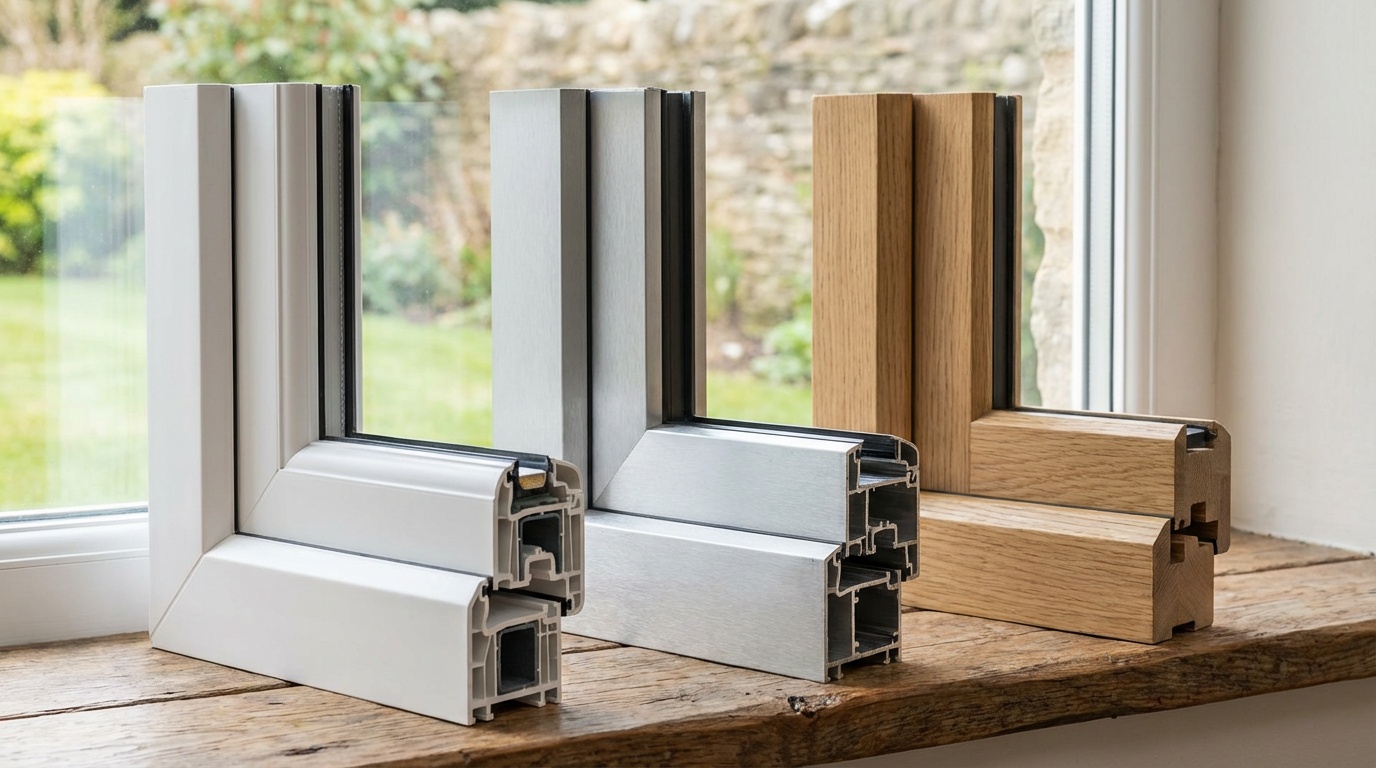
uPVC vs. Aluminium vs. Timber Window Frames: A UK Comparison
uPVC vs. Aluminium vs. Timber Window Frames: A UK Comparison
Reading time: 14 minutes
You’re standing in a showroom, surrounded by gleaming window samples, and the sales assistant is throwing around terms like “thermal break,” “U-values,” and “heritage compliance.” Sound familiar? Choosing the right window frame material is one of those decisions that feels deceptively simple on the surface — until you realise just how much it affects your home’s comfort, energy bills, kerb appeal, and long-term maintenance costs.
In 2026, British homeowners are navigating a more complex landscape than ever. With tightening energy efficiency standards under Part L of the Building Regulations, rising labour costs, and a renewed interest in sustainable home improvements, the debate between uPVC, aluminium, and timber window frames has never been more relevant — or more nuanced.
This guide cuts through the noise. Whether you’re renovating a Victorian terrace in Leeds, upgrading a 1970s semi in Bristol, or fitting out a new build in Milton Keynes, we’ll help you make a confident, well-informed decision.
Table of Contents
- The Big Three: A Quick Overview
- Energy Efficiency & Thermal Performance
- Cost Comparison: Upfront vs. Lifetime
- Aesthetics & Kerb Appeal
- Durability & Maintenance
- Sustainability & Environmental Impact
- Planning Permissions & Heritage Considerations
- Real-World Case Studies
- Side-by-Side Comparison Table
- Performance at a Glance: Data Visualization
- Frequently Asked Questions
- Making Your Window Decision: A Practical Checklist
The Big Three: A Quick Overview
Before diving deep, let’s set the stage with what each material actually brings to the table — literally and figuratively.
uPVC (Unplasticised Polyvinyl Chloride)
uPVC has dominated the UK residential window market since the 1980s, and for good reason. It’s affordable, low-maintenance, and has consistently improved in both performance and appearance. As of 2026, uPVC accounts for approximately 67% of all replacement windows installed in UK homes, according to the Glass and Glazing Federation (GGF). Modern profiles are a far cry from the yellowing, chunky frames of decades past — today’s versions come in a wide range of colours and woodgrain foil finishes that convincingly mimic timber.
Aluminium
Once the preserve of commercial buildings, aluminium frames have made a significant comeback in the residential sector. Sleek, slim, and incredibly strong, aluminium is the go-to choice for contemporary architecture and homeowners who want maximum glazing area with minimal frame. The UK aluminium window market grew by an estimated 18% between 2023 and 2025, driven largely by demand for bifold doors and floor-to-ceiling glazing in extensions and renovations.
Timber
There’s a reason timber windows have been used for centuries: they’re beautiful, natural, and — when properly maintained — extraordinarily long-lasting. In conservation areas and listed buildings, timber is often the only option. However, timber requires more upkeep than its rivals, and costs have risen sharply following post-Brexit supply chain pressures and global softwood market fluctuations. That said, for the right property and the right owner, timber remains a deeply rewarding choice.
Energy Efficiency & Thermal Performance
Here’s the straight talk: all three materials can deliver excellent thermal performance in 2026 — but they get there in very different ways, and the costs of achieving that performance vary considerably.
The key metric to understand is the U-value, which measures how much heat passes through a window (lower is better). Since 2022, Part L of the Building Regulations requires replacement windows to achieve a whole-window U-value of 1.4 W/m²K or lower. By 2026, most premium products across all three categories comfortably exceed this standard.
How Each Material Performs Thermally
uPVC is naturally a poor conductor of heat, which works in its favour. Multi-chambered profiles trap air and reduce thermal transmission without requiring additional engineering. A quality A-rated uPVC triple-glazed window can achieve U-values as low as 0.8 W/m²K, rivalling any material on the market.
Aluminium, by contrast, is an excellent conductor — which is a thermal problem. Early aluminium windows were notoriously cold and prone to condensation. The solution is a thermal break: a layer of insulating material (typically polyamide) inserted between the inner and outer aluminium sections. Modern thermally broken aluminium profiles achieve U-values between 1.0 and 1.4 W/m²K with double glazing, and even lower with triple glazing. The key takeaway: always specify thermally broken aluminium, never standard. The price difference is modest; the performance difference is enormous.
Timber is a natural insulator, and solid hardwood or engineered timber frames perform surprisingly well. A well-sealed timber frame with double or triple glazing can achieve U-values of 1.2–1.4 W/m²K, comfortably meeting current regulations. The challenge with timber is ensuring the seals and joints remain intact over time — gaps caused by swelling, shrinking, or paint failure can significantly compromise real-world thermal performance.
Pro Tip: Don’t fixate solely on the frame material when assessing energy efficiency. The glazing unit itself — whether it’s double or triple glazed, the type of gas fill (argon is standard; krypton is premium), and the low-emissivity (Low-E) coating — contributes far more to overall performance than the frame alone.
Cost Comparison: Upfront vs. Lifetime
Let’s talk money — because this is often where homeowners make decisions they later regret. The initial quote from a window company tells only part of the story. Smart buyers think in terms of total cost of ownership over 20–30 years.
Typical 2026 UK Price Ranges (per window, supply and fit)
Based on data aggregated from UK glazing industry reports and installer surveys in early 2026:
- uPVC double-glazed casement window: £400–£750
- uPVC triple-glazed casement window: £550–£950
- Aluminium double-glazed casement window (thermally broken): £700–£1,200
- Aluminium triple-glazed casement window: £900–£1,600
- Softwood timber double-glazed casement window: £600–£1,100
- Hardwood timber double-glazed casement window: £900–£1,800
These are average ranges — final prices depend on size, configuration, location, and installer. A complete whole-house replacement of 10 windows in a typical UK semi-detached home could therefore range from roughly £4,000 for basic uPVC to over £18,000 for premium hardwood timber.
However, factor in maintenance costs and lifespan. uPVC requires virtually no maintenance expenditure. Aluminium needs occasional cleaning. Timber typically requires repainting or re-staining every 5–8 years, which at current UK decorator rates (averaging £80–£120 per window for professional treatment in 2026) adds up meaningfully over a 25-year period.
The Energy Saving Trust estimates that upgrading from single to A-rated double glazing can save a typical semi-detached UK home around £135–£180 per year on energy bills in 2026 — a figure that makes triple glazing’s incremental additional saving (roughly £25–£50 more annually) harder to justify on cost grounds alone.
Aesthetics & Kerb Appeal
Be honest with yourself here. A window’s appearance matters — not just for your own enjoyment of your home, but for its market value. Research from Nationwide Building Society in 2025 suggested that inappropriate window replacement in period properties can reduce resale value by 5–10%, while sympathetic, high-quality replacements can add genuine appeal.
uPVC has improved dramatically in aesthetics. Coloured foil finishes — anthracite grey, black, chartwell green, cream — are now standard options from most manufacturers. Woodgrain effects are convincing at a distance but rarely fool a discerning eye up close. The inherent limitation is the profile width: uPVC frames tend to be bulkier than aluminium, which reduces the glass-to-frame ratio. For period properties, flush casement uPVC profiles have become popular precisely because they more closely mimic the flat appearance of original timber windows.
Aluminium wins on slimness and elegance. The material’s strength means frames can be extraordinarily narrow, maximising glazing and creating a clean, architectural look. This is why aluminium dominates in contemporary new builds, rear extensions with glazed walls, and homes where the owner wants an unobstructed view. The colour palette is virtually unlimited through powder coating, and the finish is extremely durable — fading is minimal even after 20+ years.
Timber simply cannot be replicated in terms of warmth and character. For traditional, period, or rural properties, there is no substitute. The visible grain, the paintability in any bespoke colour, the ability to have authentic glazing bar designs — these are qualities that synthetic materials can approximate but never truly match. If your home is a Georgian townhouse, an Arts and Crafts cottage, or a Victorian villa, timber isn’t just an aesthetic choice; it’s an act of architectural respect.
Durability & Maintenance
Imagine this scenario: it’s 2026, and two neighbours on the same street replaced their windows 15 years ago. One chose uPVC; the other chose softwood timber without committing to a maintenance schedule. The uPVC windows look almost identical to the day they were installed. The timber windows have swollen joints, failed paint, and at least one frame showing early signs of rot in a corner. The difference? Not the material itself — it’s the maintenance commitment (or lack thereof).
uPVC is essentially maintenance-free. Clean with soapy water, lubricate hinges annually, and a good-quality uPVC window should last 25–35 years with no significant intervention. The main failure point is the sealed unit (the double or triple glazing pane itself), which may develop fogging due to seal failure after 15–20 years — but this can be replaced independently of the frame.
Aluminium is similarly low-maintenance. The powder coat finish is highly resistant to UV, salt spray, and weathering. Aluminium frames are expected to last 40–50 years or more with minimal intervention beyond periodic cleaning. The mechanical components (hinges, handles, locking mechanisms) may need attention after 20+ years, but the frame itself is extraordinarily durable.
Timber requires genuine commitment. Left unprotected, timber will absorb moisture, swell, potentially rot, and eventually fail. However — and this is crucial — well-maintained timber windows can last 60, 80, or even 100 years. Many original Victorian and Edwardian sash windows still functioning today are testament to this. The key is a disciplined maintenance schedule: inspect annually, address any paint failure immediately, and treat the bare wood promptly. Engineered timber (cross-laminated layers) is significantly more dimensionally stable than solid softwood and reduces the swelling/shrinking problem considerably.
Sustainability & Environmental Impact
In 2026, sustainability is no longer a niche consideration — it’s a mainstream purchasing criterion for a growing proportion of UK homeowners. Each material tells a different environmental story.
uPVC is derived from PVC, a petroleum-based plastic. Its manufacture is energy-intensive and involves chlorine compounds. However, uPVC is increasingly recyclable — the industry body EPPA reports that recycled uPVC from old window frames is now routinely incorporated into new profiles. The low maintenance requirement (no painting, no chemical treatments) also reduces its lifetime environmental footprint. That said, uPVC at end of life can still present disposal challenges, and the material takes centuries to break down in landfill.
Aluminium requires vast amounts of energy to produce from raw ore (bauxite). However, recycled aluminium requires only 5% of the energy of primary production, and aluminium is infinitely recyclable without quality degradation. Most reputable UK aluminium window manufacturers now use a significant proportion of recycled content. The slim profiles also mean less material is used per window than in uPVC equivalents.
Timber from responsibly managed forests is the only truly renewable option. FSC (Forest Stewardship Council) or PEFC certified timber is the standard to look for. Timber sequesters carbon during its growing phase, and a well-made timber window can be repaired rather than replaced — a genuinely circular approach. The caveat is that irresponsible sourcing can have serious environmental consequences, and the transport of timber from distant forests adds to the carbon footprint. Look for timber sourced from European (ideally UK) suppliers where possible.
Planning Permissions & Heritage Considerations
This is where material choice can move from preference to obligation. In 2026, approximately 5.8 million UK properties (source: Historic England, 2025 estimate) lie within Conservation Areas or carry Listed Building status — and these designations place significant restrictions on window replacement.
In most Conservation Areas, you can replace windows with like-for-like materials without needing full planning permission, but deviating from the original design (e.g., replacing timber sash windows with uPVC casements) will typically require Prior Approval or full Planning Permission. Listed Buildings require Listed Building Consent for any external alterations, almost always mandating authentic timber replacements that match the original.
Local Planning Authorities (LPAs) vary in their strictness, but the general trend in 2026 is toward tighter enforcement of heritage guidelines, not looser. Before making any purchase decision, check with your LPA’s conservation officer — a free pre-application consultation can save you thousands in enforcement costs later.
Quick Scenario: You own a mid-terrace Victorian house in a Conservation Area in Bath. Your neighbours have uPVC windows that were fitted 20 years ago (possibly without permission). Does that mean you can do the same? Not necessarily — your application will be assessed on current policy, not historical precedent. The safest and most architecturally appropriate choice here? High-quality softwood or engineered timber sliding sash windows, painted to match the street scene.
Real-World Case Studies
Case Study 1: The Energy-Conscious Family in Manchester
A family in Didsbury, Manchester retrofitted their 1930s semi-detached home with triple-glazed uPVC windows in early 2025. Total cost: £8,200 for 12 windows. Their energy bills dropped by an estimated £210 annually, and interior comfort — particularly eliminating cold draughts in the front bedroom — improved significantly. They chose anthracite grey frames to modernise the property’s appearance while avoiding the need for planning permission (the house is not in a Conservation Area). Two years on, they report zero maintenance issues and strong satisfaction with the decision.
Case Study 2: The Contemporary Extension in Surrey
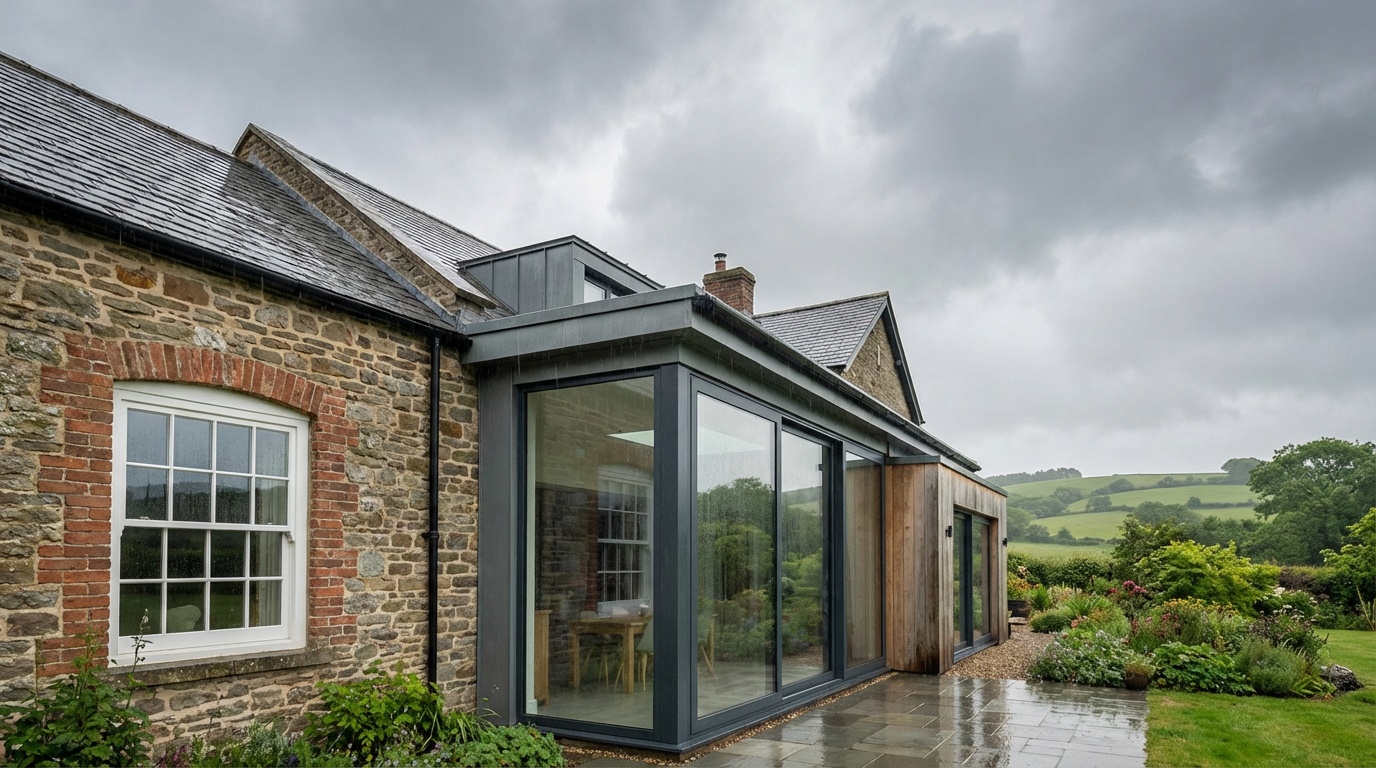
A homeowner in Guildford commissioned a large rear extension in 2025, incorporating floor-to-ceiling aluminium framed glazing, a bifold door system, and a glazed rooflight. The slim aluminium profiles were essential to achieving the architectural vision — uPVC or timber equivalents would have created significantly bulkier frames. The total glazing package cost approximately £22,000 but is considered central to the extension’s appeal and added an estimated £35,000–£45,000 to the property’s value, according to the client’s estate agent.
Case Study 3: The Careful Restorer in Edinburgh
A couple in Edinburgh’s New Town — a UNESCO World Heritage Site — replaced failing single-glazed timber sash windows in their Category A listed Georgian flat in 2026. Planning consent mandated slimline double-glazed units within original-profile engineered hardwood frames, painted in the specified heritage colour. Cost: approximately £1,400 per window (8 windows total). The result is thermally and acoustically superior to the originals, visually indistinguishable from the street, and fully compliant with Historic Environment Scotland guidance. A substantial cost, yes — but one that protects both the building’s character and the owners’ legal standing.
Side-by-Side Comparison Table
| Metric | uPVC | Aluminium | Timber |
|---|---|---|---|
| Typical Cost per Window (2026) | £400–£950 | £700–£1,600 | £600–£1,800 |
| Best Achievable U-Value | 0.8 W/m²K | 1.0 W/m²K | 1.2 W/m²K |
| Expected Lifespan | 25–35 years | 40–50+ years | 30–100 years* |
| Maintenance Requirement | Very Low | Low | High |
| Sustainability Rating | Moderate | Moderate–High | High (if certified) |
*Timber lifespan is highly dependent on maintenance discipline. Upper range assumes excellent ongoing care.
Performance at a Glance: Overall Value Score
The following chart represents an aggregated overall homeowner value score out of 100, weighted across cost-effectiveness, performance, durability, aesthetics flexibility, and sustainability for typical UK residential use in 2026.
82/100
76/100
71/100
63/100
Scores are indicative averages for typical UK residential applications. Heritage or specialist contexts may significantly alter these ratings.
Frequently Asked Questions
Can I mix different frame materials in the same property?
Yes — and it’s more common than you might think. Many homeowners choose aluminium for a large glazed rear extension (where slim sightlines are paramount) while retaining uPVC or timber on the front elevation (for cost or planning reasons). The key is visual coherence: if the materials are in the same line of sight, aim for consistent colour and profile depth. Front-to-rear mixing is generally well-tolerated architecturally and by planning authorities, provided neither elevation is in a sensitive heritage zone. Always consult your LPA if your property is in a Conservation Area before mixing materials on any external elevation.
Is triple glazing worth the extra cost in the UK climate?
In 2026, the honest answer is: it depends. Triple glazing delivers meaningful benefits — reduced heat loss, better acoustic performance, elimination of cold glass surfaces that cause condensation — but the payback period purely on energy savings can exceed 20 years for the additional cost over double glazing. The case for triple glazing strengthens considerably if you’re in a particularly exposed location (northern Scotland, coastal areas), if noise reduction is a priority (near roads or flight paths), or if you’re building to Passivhaus or near-Passivhaus standards. For most standard UK homes, A-rated double glazing remains the pragmatic sweet spot.
What’s the most important thing to check when getting quotes for window replacement?
Beyond the obvious (like-for-like specifications, FENSA or CERTASS certification, and a clear written guarantee), the single most important thing to verify is the whole-window U-value — not just the centre-pane figure, which manufacturers sometimes quote selectively. Ensure the quote specifies the glazing unit gas fill (argon or krypton), the Low-E coating, and the spacer bar type (warm-edge spacers outperform standard aluminium spacers significantly). Also verify that the installer carries appropriate public liability insurance and provides a minimum 10-year guarantee on the sealed unit. In 2026, reputable UK installers registered with GGF or the Double Glazing and Door Manufacturers Association (DGDA) offer the strongest consumer protections.
Making Your Window Decision: A Practical Checklist
Here’s the reality: there is no universally “best” window frame material. The right choice is the one that best fits your specific home, budget, aesthetic values, and lifestyle. As UK building standards continue tightening toward the government’s 2030 energy efficiency targets, all three materials are evolving rapidly — so making a well-considered decision now will serve you for decades to come.
Use this checklist before signing any contract:
- ✅ Check your planning status. Are you in a Conservation Area or does your property have Listed Building status? If yes, consult your LPA before choosing a material.
- ✅ Define your priority. Is it lowest upfront cost (uPVC), architectural elegance (aluminium), or authentic character (timber)? Be honest — prioritising the wrong factor leads to regret.
- ✅ Calculate lifetime cost, not just purchase price. Factor in maintenance, repainting, and expected replacement cycles over 25–30 years.
- ✅ Verify thermal credentials. Request the whole-window U-value, glazing specification (argon/krypton fill, Low-E coating, warm-edge spacer), and energy rating from every installer quoting.
- ✅ Vet your installer thoroughly. Check FENSA or CERTASS registration, read recent reviews, ask for references, and confirm the guarantee terms in writing.
- ✅ Consider the resale perspective. Speak to a local estate agent about what buyers in your area expect — inappropriate windows can genuinely affect your property’s market value.
The broader context matters here too. As the UK residential sector moves toward net-zero building standards, windows are increasingly recognised not just as aesthetic features but as critical components of a home’s energy envelope. The window you choose in 2026 will interact with how you heat, cool, and ventilate your home for a generation.
So here’s the question we’ll leave you with: When you look at your windows in 2036, will you see a decision made on a quick quote and convenience — or a thoughtful investment that’s still paying dividends in comfort, efficiency, and beauty? The choice, quite literally, is framed by what you decide today.
Article reviewed by Mike O’Brien, Drywall Installation & Surface Finishing Specialist, on May 4, 2026